

Custom Jerky Bags Made for How You Sell
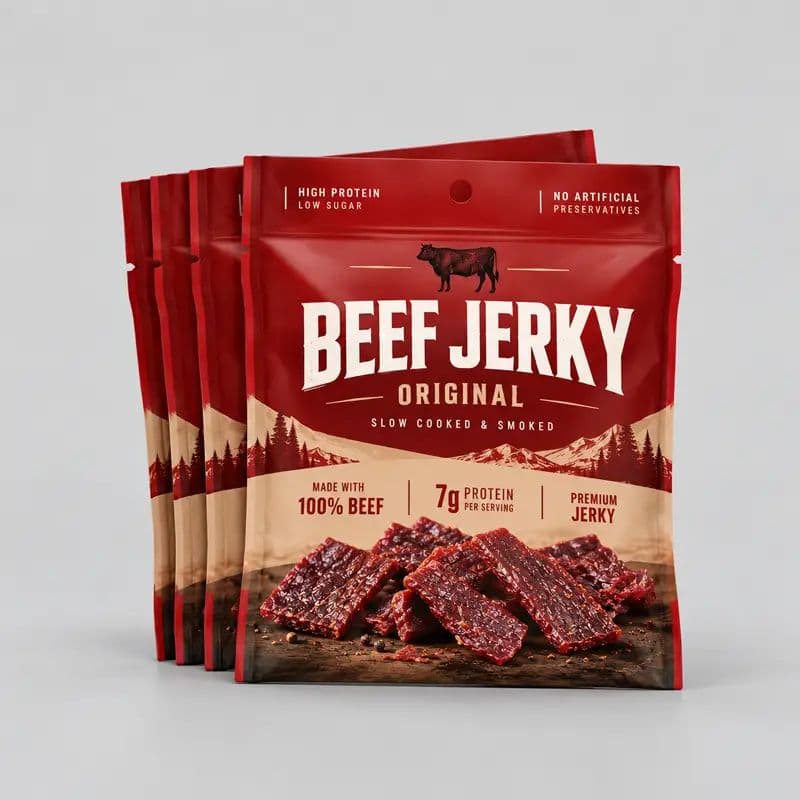
Commonly beef jerky bags are sold in different settings. From gas filling stations to convenience stores, supermarkets, and retail shops, custom jerky bags are never sold in the same way.
You may see them hanging through their hang perforations, placed in display boxes, or just at the aisles. Wherever they are sold, their sturdy structure holds them firmly and reliably.
Our custom packaging for food products is designed around what will be packaged inside. From its food-safe materials to its design, every detail is carefully thought about to make the user experience convenient and easy.
Discuss what you make and where it goes, and we will recommend the style, film, and added features.
Beef Jerky Packages Compared: Stand-Up, Lay-Flat or Window Bags
Not sure which to choose? For most retail jerky, a custom stand-up pouch with zipper is the safe format. Lay-flat bags make sense for small single-serve packs where cost per unit matters most.
What Are the Best Bags for Beef Jerky?
The best bags for beef jerky are those in which two of its enemies are kept away.
- Oxygen: it turns the fat in jerky rancid.
- Moisture: it lets jerky soften or grow mold.
Window Considerations: shoppers like seeing the jerky, but light speeds up how fast the fat goes stale. If you want a window, keep it small, pair it with an oxygen absorber, or choose it for fast-selling products that won't sit on the shelf for months.
Airtight Beef Jerky Bags: How We Keep the Air Out
A barrier film only works if the bag is sealed properly. Mylar bags with airtight seals combine several layers of protection:
1. Heat seal: the top is sealed shut after filling, so the bag is fully closed until the customer opens it.
2. Tear notch: customers can tear the bag open cleanly above the zipper without scissors.
3. Resealable zipper: after opening, the zip lock slows moisture and air from getting back in. This matters for bigger bags that get eaten over several days.
4. Oxygen absorber: a small packet placed in the bag before sealing soaks up leftover oxygen. Smaller bags (1–4 oz) usually take a 50 cc absorber, mid-size bags (5–7 oz) a 100 cc, and 8–10 oz bags a 200 cc. Larger bags need more capacity.
5. Vacuum or nitrogen flushing: if you use vacuum sealers or nitrogen-flush equipment, tell us, and we'll recommend a film that handles it without weakening.
From a 1 oz Snack Pack to a Big Bag of Beef Jerky
Pick the amount of jerky you sell per bag, and the chart shows the bag that fits.
These are some commonly found bag sizes for you to choose from or have an idea of how fully customized beef jerky bags work. However, we have expertise in custom-made packaging solutions for your products and businesses of all sizes.
Features You Can Add to Your Jerky Bags
- Hang holes: round, sombrero, or delta shapes, for clip strips and peg hooks.
- Resealable zippers: press-to-close zip locks that keep jerky fresh after opening.
- Tear notches: for easy opening.
- Clear windows: in any shape, from a simple rectangle to a custom die-cut outline.
- Rounded corners: give the bag a cleaner look and stop sharp corners from puncturing other bags in the box.
- Matte, gloss or soft-touch finishes: matte looks premium and rugged, gloss makes colors pop, and soft-touch feels velvety in the hand.
- Spot gloss or metallic accents: highlight your logo or flavor name.
- Gussets: expand the bag and make it easier to fill with jerky
Printing Your Brand on Every Bag of Beef Jerky
Every bag of beef jerky has to sell itself in about three seconds in a crowded place, and we help you to make one like that. Custom printed beef jerky bags with logo, unique artwork, and a clear message are exactly what customers want to see. Selling several flavors? Keep the same bag and layout, and change only the color and flavor panel for each variant. It builds a consistent and recognizable range and keeps design costs low.
What to Print on a Jerky Bag
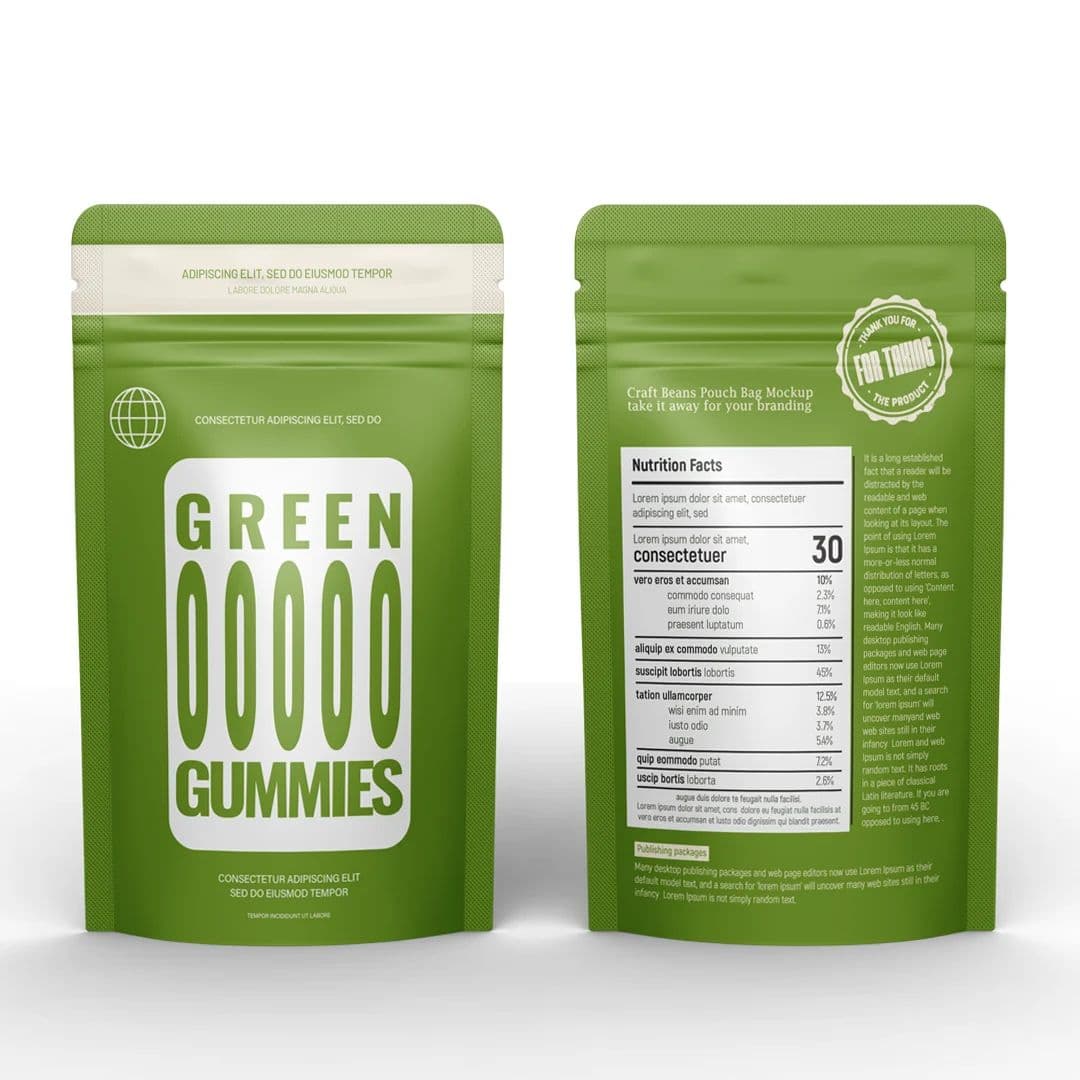
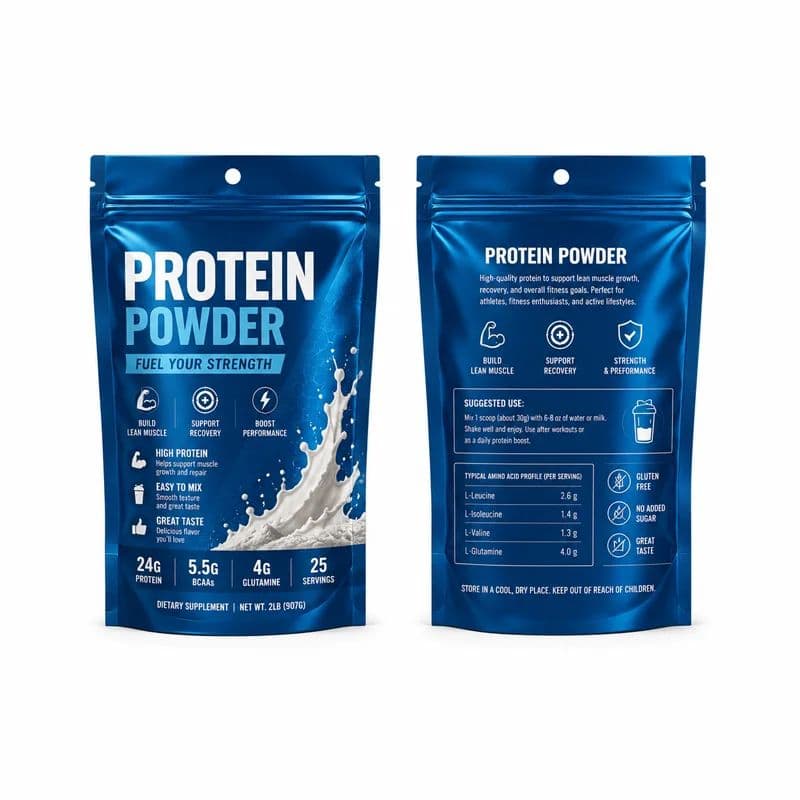
Jerky buyers check labels for protein, sugar, and ingredients, so plan the back panel as carefully as the front. Most beef jerky packages carry:
- Product name and flavor
- Net weight
- Nutrition Facts panel
- Ingredients and allergens (soy, wheat, and sesame are common in marinades)
- Your company name and address
- A best-by date and lot code area
- In the US, the USDA mark of inspection and establishment number for inspected meat products
Recyclable and Compostable Bags for Jerky Packaging
If sustainability is part of your brand, you can choose recyclable Kraft Mylar bags for jerky, with compostable films. Be aware that greener films often have a lower barrier than foil.
That's fine for jerky that sells quickly, but products that need a long shelf life may be better in a foil or metallized bag. Tell us your target shelf life, and we'll suggest the most eco-friendly bag for jerky packaging that still protects your product.
Wholesale Beef Jerky Bags and Ordering in Bulk
Whether you're a small-batch maker testing a first flavor or a renowned brand, filling thousands of bags a week, our minimums stay low.
Wholesale beef jerky bags get cheaper per unit as quantities grow, which is why many brands order beef jerky bags in bulk with one shared design and a different flavor panel for each variant. You can get them shipped free with fast turnaround times.
Additionally, our free design consultations let you experiment with unique designs to see what catches your customer's eye. Place your order today and start creating the jerky package that's perfect for your brand.