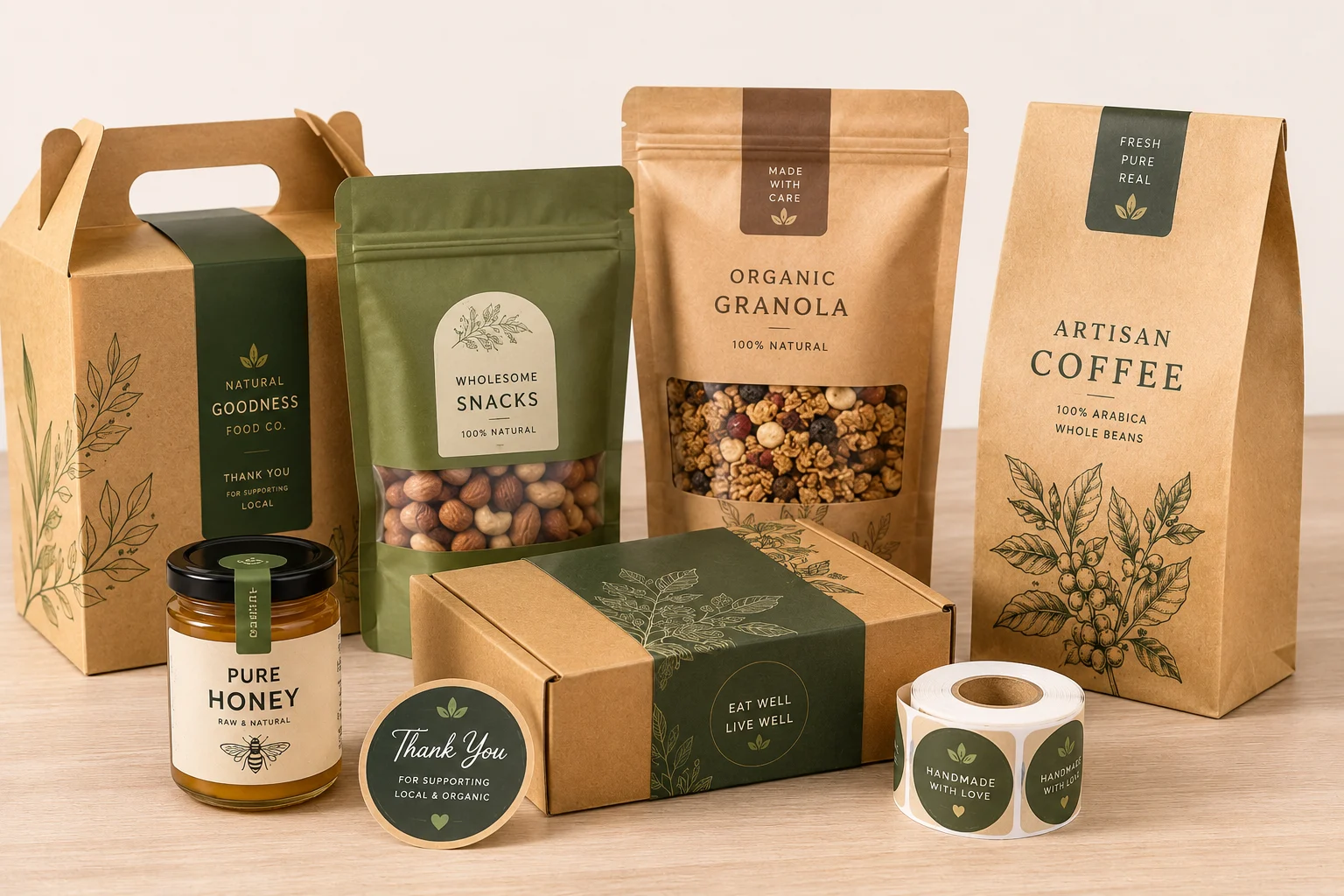
Walk through any grocery store aisle in the USA, and you’ll notice something interesting. There will be hundreds of food products in the same aisle competing for attention at the same time. This is where many products suffer, not because their quality is incompetent. But because their packaging is not grabbing enough attention. Some products instantly stand out. Others disappear into the shelf. And believe it or not, most of that difference comes down to packaging.
According to research, the global food packaging market alone is estimated to reach $400.08 billion, growing at a 5.18% Compound Annual Growth Rate (CAGR).
Today, custom food packaging is no longer just about wrapping food products. It plays a huge role in your branding game, your product’s shelf appeal, its protection, FDA compliance, customer trust, sustainability demands, and overall e-commerce performance. Whether you sell coffee, tea, spices, snacks, sauces, frozen foods, or pet treats, the right packaging can completely change how customers perceive your brand.
In this guide, we’ll break down different types of custom food packaging for you, so that you can choose the style that suits your product best and help it stand out from the crowd. Get to know about FDA food packaging requirements, food-safe materials, packaging styles for different products, labeling requirements, shelf appeal tips, sustainable packaging options, and packaging solutions for small businesses.
2. What Is Custom Food Packaging?
Custom food packaging refers to customized packaging that is specifically designed around a food brand’s product type, branding & storage needs, and product needs like freshness, shelf life, protection, shipping requirements, and compliance regulations. Custom food packaging covers it all.
Custom packaging for food products includes different types of materials and styles. They come in custom boxes, custom bags, custom pouches, containers, labels, stickers, and wraps. Unlike generic packaging, customized food packaging helps businesses create a stronger and more recognizable brand identity.
3. Why Custom Food Packaging Matters More Than Ever
Demand for food packaging is forecast to grow 2.5% per year to $58.1 billion in 2027, with real growth of 1.2% annually. That is
That is why choosing the right food packaging that just works is important. This can feel overwhelming. That is why packaging experts exist in the market to help guide you regarding each product’s packaging. Food packaging does more than protect products. It influences customers’ buying decisions. In fact, many customers decide whether a product feels “premium,” “healthy,” “organic,” or “luxury” before even tasting it.
That’s why businesses invest heavily in custom food boxes, custom printed food packaging bags, customized food pouches, takeout packaging, labels, stickers, and all types of flexible packaging.
|
Interesting fact: The food and beverage industry makes up nearly 38% of the global custom packaging market, making it one of the largest packaging sectors worldwide. |
4. Types of Custom Food Packaging for Food Brands
Different food products require different packaging structures. Here’s a breakdown of the most common food packaging types used in the USA.
Custom Food Boxes
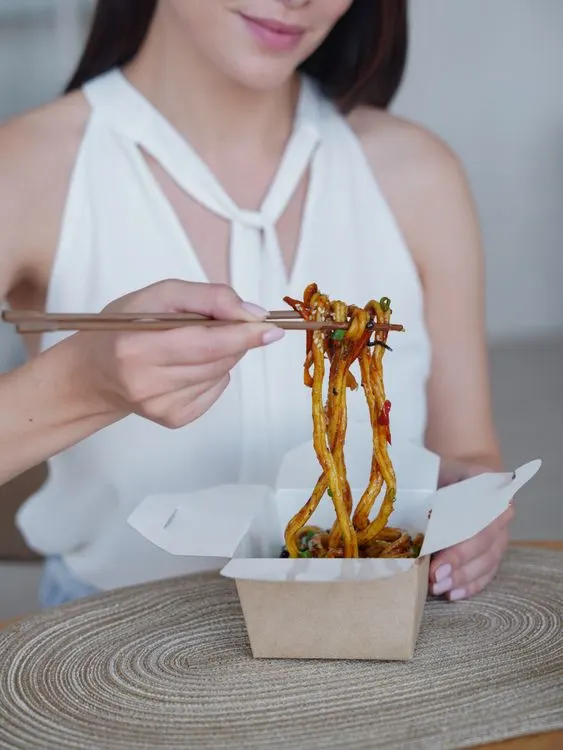
Custom food packaging boxes are widely used for bakery items, frozen foods, meal kits, fast food packaging, takeout packaging, custom lunch boxes with partitions, tea, and coffee packaging. Many restaurants and bakeries now use personalized to-go boxes because they improve customer experience and promote the brand. For these industries, popular box styles include:
-
Custom Tuck boxes
-
Gable boxes
-
Window boxes
-
Sleeve packaging
-
Corrugated food boxes
Custom Food Pouches & Flexible Packaging
Flexible packaging has become one of the fastest-growing packaging categories in the food industry, accounting for about 21% of the total U.S. packaging market. Brands love flexible packaging because it's lightweight, takes up less space, has a flat printable surface for better branding, better shelf visibility, and its resealable convenience that keeps your food fresh for longer.
Custom food packaging bags are especially popular among small food businesses because they combine affordability with professional branding. However, in general, custom food pouch packaging is commonly used for gourmet coffee, tea, protein powders, snacks, dried food items, spices, granola, pet food, and sauces.
Popular pouch styles include:
-
Stand-up pouches: They have a bottom gusset that helps them stand and have an upright structure used for food storage.
-
Flat pouches: These are lay-flat pouches used for storing small food items, gummies, or dried items.
-
Spouted pouches: They are used to store semi-liquid or liquid products and have a spout for easy pouring.
-
Ziplock pouches: They have a resealable zipper, keeping the food fresh for longer even after opening the bag.
-
Vacuum-sealed bags: These vacuum sealed bags are used to protect food against moisture, air, UV exposure, heat, unnecessary odors, and external contaminants.
Custom Packaging for Coffee & Tea Brands
Tea and coffee packaging focuses heavily on freshness preservation.
Interesting tidbit:
Did you know one-way degassing valves used in coffee packaging help release carbon dioxide while keeping oxygen out? This helps preserve flavor and aroma for longer.
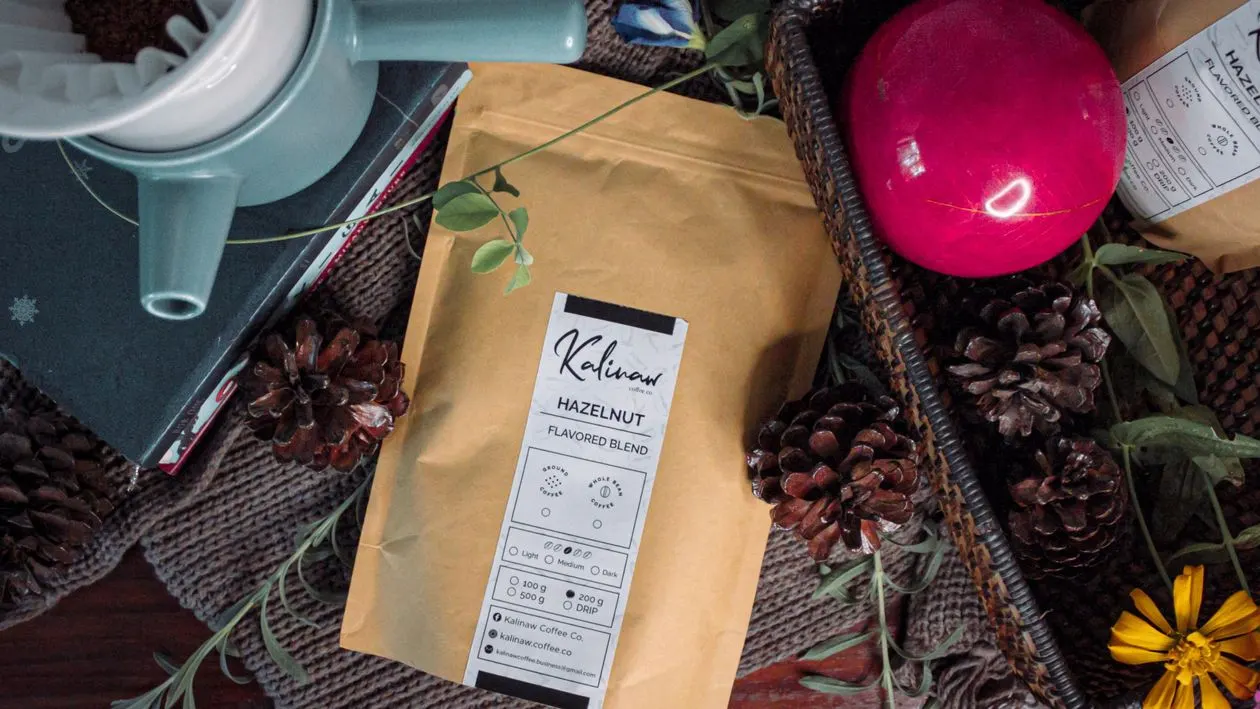
That’s why many coffee brands use vented coffee bags, kraft coffee pouches, foil barrier bags, and resealable stand-up pouches.
Whereas tea brands often prefer kraft paper packaging, window pouches, luxury rigid boxes, and custom paper tube packaging.
Custom Packaging for Snacks & Spices
Snack packaging needs to grab attention quickly. Bright colors, bold typography, and high-quality printing often play a huge role in snack shelf appeal. Many spice companies now use custom food packaging bags with matte finishes and minimalist designs to create a premium appearance. Apart from customer attention, these spice brands usually focus on moisture protection, easy storage, compact packaging, and aroma retention, for which smell proof mylar bags are pretty effective. However, common packaging options include:
-
Pillow pouches
-
Stand-up pouches
-
Sachets
-
Die-cut window bags
Frozen Food Packaging Solutions
Custom frozen food packaging requires strong barrier protection against moisture, temperature changes, and freezer burn. It must also maintain print quality and structural integrity in cold storage conditions. That is why common materials for frozen food packaging include:
-
Laminated films
-
Poly-coated paperboard
-
Corrugated packaging
-
Barrier pouches
Pet Food Packaging
Custom pet food packaging has become a huge market in the USA. Pet owners now look for premium-level branding, resealable packaging, sustainable packaging, and clear ingredient labels. Pet food brands also invest heavily in custom labels for food packaging to improve shelf visibility. Popular storage and packaging options for pet foods include:
-
Large stand-up pouches
-
Side gusset bags
-
Flat bottom pouches
-
Corrugated subscription boxes
5. FDA Requirements for Food Packaging in the USA
This is one of the most important parts of food packaging. Food packaging materials must comply with FDA regulations to ensure safety for food contact. As per the regulations, food packaging should prevent contamination, protect freshness, use food-safe inks and coatings, and avoid any harmful chemical migration. FDA-compliant food packaging materials commonly include:
Food-grade kraft paper
Eco-friendly and natural-looking packaging option ideal for organic brands.
SBS paperboard
Provide a smooth printable surface used for premium food boxes.
Mylar & Mono Polyethylene films
Provide excellent moisture and oxygen barriers.
Aluminum barrier layers
Food-safe material used in food packaging for barrier protection.
PLA & Compostable Films
Food-safe laminations used for sustainable food packaging solutions.
Corrugated Cardboard
Used for shipping and takeaway packaging.
6. Custom Labels & Compliance Information
Food labels are more than branding elements. They also help brands stay compliant. Custom stickers for food packaging are commonly used for jar packaging, sauce bottles, coffee bags, bakery packaging, and frozen foods. They are important because they contain:
-
Ingredients
-
Nutrition facts
-
Expiry dates
-
Barcode
-
Manufacturer details
-
Storage instructions
-
Allergen warnings
7. Tidbit: How Packaging Influences Buying Decisions
Here’s something interesting: Most customers make food purchasing decisions within seconds. That means your packaging must instantly communicate flavour (orange color means tangerine flavour, and pink is usually associated with strawberries), product quality, freshness, brand personality, and product category.
Here are some simple shelf appeal tips for your brand:
-
Use readable fonts
-
Avoid overcrowded designs
-
Choose colors strategically
-
Add clear product windows
-
Use premium finishes selectively
-
Minimalist packaging
8. Sustainability Is Reshaping Food Packaging
Driven by global sustainability and circularity goals, a "fiber-first" approach is dominating new designs in the packaging industry across the United States. Consumers are actively searching for sustainable packaging now. Up to 43% of consumers actively choose recyclable or renewable paper packaging over traditional options.
That’s why many brands are switching toward recyclable materials, kraft packaging, compostable films, soy-based inks, and FSC-certified materials. However, sustainability in food packaging is all about balance. Some eco-friendly materials like simple Kraft paper may reduce barrier protection or shorten shelf life, which is not a smart choice in the long run. That is why packaging suppliers are not mixing barrier-protective materials (aluminium film, Mono PE layers) with the sustainability of simple kraft paper. The goal is to find packaging that supports product freshness, sustainability goals, cost efficiency, and customer expectations. Explore Kraft Mylar bags if you want both moisture-protective and eco-friendly packaging.
9. Packaging Tips for Small Food Businesses
If you’re a small food business in the USA, start simple. You don’t need luxury packaging immediately.
Focus first on product protection, clean branding design, consistency of design, FDA compliance, clear labeling, convenience, and functional packaging. Many successful brands started with simple kraft pouches and gradually upgraded their packaging as they grew. Good packaging also evolves with the business.
10. Final Thoughts
Custom food packaging is one of the most important investments food brands can make today.
The right packaging helps protect products, build customer trust, improve shelf appeal, support compliance, strengthen branding, and create better customer experiences. Whether you need custom food packaging bags, food boxes, pouches, labels, or sustainable packaging solutions, your packaging should always align with your product, audience, and brand story. Because in modern retail, packaging is often the first thing customers taste with their eyes.
That is why you need a specialist packaging manufacturer. HOF Pack is a US-based packaging manufacturing company that is pledged to help brands tell their story and sell their products through custom packaging as per the recent sustainability demands.
HOF Pack Team
Custom Packaging Experts at HOF Pack